Wedding flowers for Thamesmead Moorings and Lakeside venues
Posted on 20/10/2026
Choosing Wedding flowers for Thamesmead Moorings and Lakeside venues is a lovely part of planning, but it can also feel oddly technical once you start matching bouquets, ceremony spaces, tables, lighting, and the reality of the venue itself. A moorings-side celebration has a very different feel from a bright lakeside room, and that changes everything from colour palette to stem choice. The good news? With a little structure, you can make the flowers feel effortless, personal, and properly tied to the setting.
This guide walks through what matters, how wedding flower planning works in practical terms, and how to avoid the common traps that catch people out. Whether you're after understated elegance, a fuller romantic look, or something seasonal and relaxed, you'll find a clear route through the decisions. And yes, we'll keep it grounded in real-world wedding planning, because no one needs floristry jargon at 11 p.m. the night before the final venue visit.
Why Wedding flowers for Thamesmead Moorings and Lakeside venues Matters
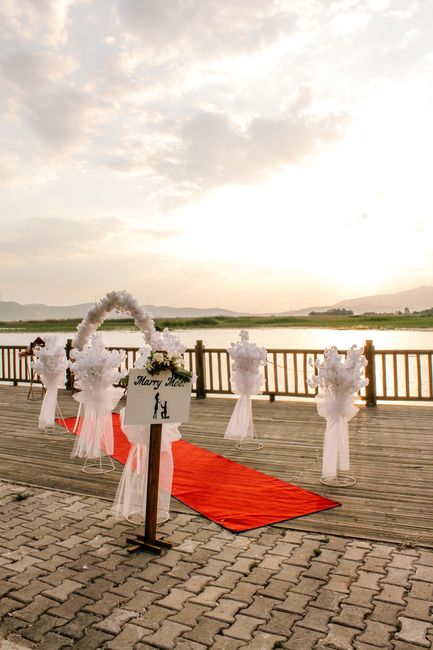
Flowers do more than look nice in photos. For Thamesmead Moorings and Lakeside venues, they help define the mood of the day. Water-side settings often come with open views, reflective light, breezy corners, and a clean, modern backdrop. That means flowers need to work a bit harder: they should soften hard lines, add warmth, and stop the whole scene from feeling too sparse or too formal.
In practice, that can mean choosing arrangements that hold their shape in natural light, using colours that don't disappear against pale walls or glass, and planning pieces that suit the size of the room or terrace. A compact bouquet can look elegant in a small registry-style ceremony. The same bouquet might look swallowed up in a larger lakeside space. Context matters. Quite a lot, actually.
There is also the practical side. Waterfront and lakeside venues can be cooler, breezier, and more exposed than indoor-only spaces. Delicate petals, heavy centrepieces, and unstable displays all need a second thought. If you've ever seen a table arrangement slowly lean sideways during speeches, you'll know the feeling. It's not ideal. Flowers should support the day, not create a tiny logistical drama.
Expert summary: For moorings and lakeside weddings, the best floral plans are usually the ones that balance beauty with stability, venue scale, and the natural light of the space.
How Wedding flowers for Thamesmead Moorings and Lakeside venues Works
Wedding floristry for these venues usually starts with a simple question: what do you want the flowers to do? Are they there to create a romantic ceremony focal point, frame a couple's table, soften a modern interior, or carry a colour story across the whole day? Once that purpose is clear, the rest becomes much easier.
Most couples begin with the core pieces: bridal bouquet, bridesmaid bouquets, buttonholes, ceremony flowers, and table arrangements. From there, you can add extras like aisle markers, flower petals, welcome displays, registrar-table arrangements, or floral accents for a cake table. You do not need every possible item. Truth be told, too many moving parts can make the design feel scattered.
For Thamesmead Moorings and Lakeside venues, the design process often needs to consider sightlines too. Guests may be seated with views toward water, windows, or outdoor decks, so the flowers should enhance the view rather than compete with it. That usually means lower arrangements for tables, carefully placed ceremony pieces, and bouquets that photograph well from more than one angle.
If you are choosing online-ready wedding flower options, it helps to work with collections that already suit bridal and bridesmaid styling. A bridal bouquet collection, paired with matching bridesmaid bouquets, can create a coherent look without making you start from scratch. For finishing touches, buttonholes and corsages help pull the whole wedding party together.
Key Benefits and Practical Advantages
Well-planned wedding flowers do a lot of quiet work in the background. They can make a venue feel more intimate, more polished, and more personal. For Thamesmead Moorings and Lakeside settings, that matters because the architecture or natural surroundings may already be making a strong statement.
- They define the atmosphere. Soft blush and ivory can feel calm and romantic, while richer reds or purples bring drama and depth.
- They connect different spaces. The bouquet, ceremony table, and reception tables can feel like part of one story instead of three separate ideas.
- They improve photographs. Flowers create texture and colour around the couple, which helps in bright waterside light where plain backgrounds can look flat.
- They help guests read the style of the day. Even before the ceremony starts, flowers signal whether the wedding is classic, relaxed, modern, or full-on romantic.
- They can be tailored to budget. A focused plan with a few high-impact pieces often looks better than trying to decorate every surface.
There's also a practical benefit people often miss: flowers can help with spatial balance. A venue that feels slightly stark or echoey can become much more welcoming with the right centrepieces, aisle flowers, or floral clusters near entrances. Small thing, big effect.
For couples who want a coordinated wedding look, a collection such as wedding flowers and collections can be a useful starting point, especially when the venue already has a strong visual identity.
Who This Is For and When It Makes Sense
This approach makes sense for couples planning a ceremony or reception at a Thamesmead Moorings or lakeside venue who want flowers to feel intentional, not just decorative. It is especially useful if the venue has a view, natural light, or an uncluttered interior that needs softening.
It also suits you if you're:
- planning a small or medium wedding and want a refined, not overdone, floral look;
- looking for wedding flowers that photograph well in bright daylight;
- working with a venue that has limited space for large installations;
- trying to make a simple package feel elegant and complete;
- matching flowers to a bridal theme, dress style, or seasonal colour palette;
- juggling family input and trying to keep the design coherent, which, let's be honest, is half the battle sometimes.
It may also make sense if your planning time is limited. A streamlined flower plan, based around a few strong pieces, can still look polished. You do not need a dozen bespoke elements to create something memorable. Sometimes one beautifully chosen bouquet and a couple of thoughtful table designs are more than enough.
If you are comparing floral styles for the couple and the wedding party, exploring a full range such as The One wedding collection, Pure Romance wedding collection, or Royal Essence wedding collection can help narrow down the visual direction quickly.
Step-by-Step Guidance
1. Start with the venue light and layout
Walk through the venue if you can. Notice where the daylight lands, which areas feel open, and where the seating will be. A bouquet that looks lush in soft indoor light may read very differently beside glass, water reflections, or wide windows. That is not a problem; it just means the design should respond to the setting.
2. Choose a mood before you choose flowers
Romantic, modern, natural, elegant, seasonal, garden-inspired-pick the mood first. Once that is fixed, the flower choice becomes easier. For example, roses and lisianthus often suit a softer romantic style, while orchids or calla lilies can create a cleaner, more contemporary feel.
3. Decide the priority pieces
Not every wedding needs full floral decoration everywhere. Start with the items that matter most: bouquet, buttonholes, ceremony focal flowers, and table pieces. If the budget allows, add aisle arrangements or a floral feature near the entrance. If not, keep it focused. Focus wins, most of the time.
4. Match scale to space
Large arrangements suit larger rooms or open reception spaces. Smaller, more compact designs often work better on narrow tables or intimate settings. For waterside venues, low centrepieces are usually easier for conversation and do not block views.
5. Think about delivery and timing
Flowers need to arrive with enough time for positioning, but not so early that they sit around and lose freshness. In the UK, wedding mornings can be a blur, so planning the sequence matters. Delivery windows, setup access, and where arrangements will be held before placement should all be confirmed early.
6. Finalise the finishing touches
Once the core flowers are chosen, add the detail pieces: corsages, flower girl petals, table accents, or a matching gift bouquet. Those touches can make the whole day feel cohesive without making the plan complicated.
If you want a direct route into ready-made wedding styles, you can pair a bouquet from the I Cherish You wedding collection with complementary table flowers such as wedding table arrangements for a more joined-up result.
Expert Tips for Better Results
Tip 1: Use the venue as the backdrop, not the competition. Thamesmead Moorings and lakeside venues often already have their own character. The flowers should enhance that character. If the setting is calm and airy, a heavy floral style can feel a bit much.
Tip 2: Choose flowers that hold their shape well. Some blooms naturally last better in display conditions than others. For a long wedding day, especially in warmer rooms or changing weather, sturdier stems are usually safer.
Tip 3: Keep one strong colour story. Two or three colours are often enough. A crisp white-and-green scheme feels fresh and timeless, while blush, cream, and soft pink can look romantic without becoming sugary. Too many competing tones can make the arrangements feel busy.
Tip 4: Build around the bouquet. The bridal bouquet often becomes the visual anchor. Once you know its shape and style, everything else can be matched more confidently.
Tip 5: Don't ignore buttonholes and bridesmaid pieces. These smaller elements quietly make the wedding party feel coordinated. They matter more than people think. A lot more.
Tip 6: Ask how arrangements will travel. Some wedding flowers are best transported upright, others need secure packaging, and delicate pieces may need extra space. This is boring detail, sure, but it saves stress later.
For a cohesive bridal party, pieces like The Perfect Match bridal bouquet with matching bridesmaid bouquets can simplify styling without making the day feel formulaic.
Common Mistakes to Avoid
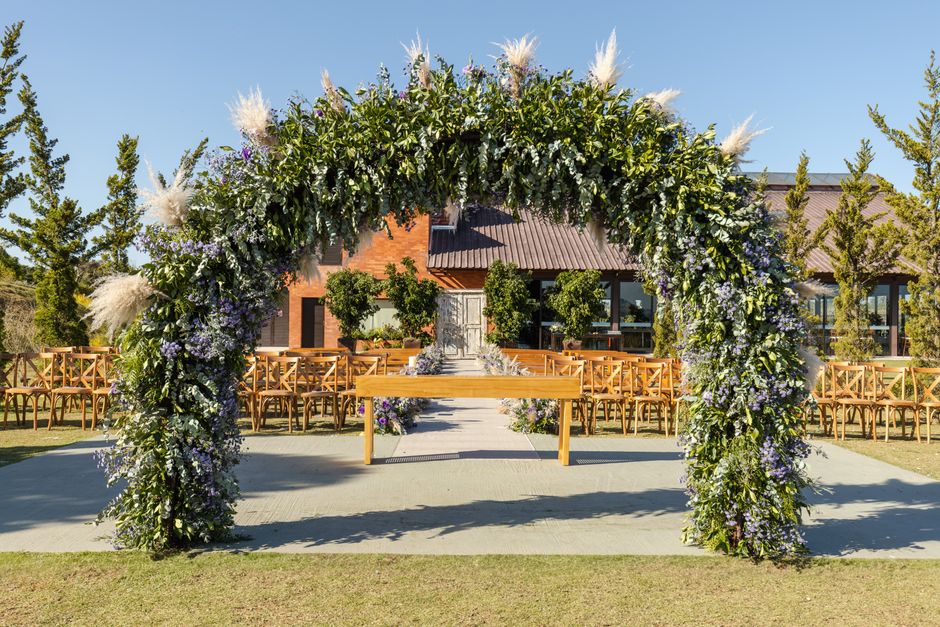
- Choosing flowers before understanding the venue. A design that suits a ballroom may not suit a waterside terrace or a light-filled lakeside room.
- Overfilling small spaces. Big arrangements in compact venues can block sightlines and make tables harder to use.
- Ignoring weather and exposure. Moorings and outdoor-adjacent spaces can be breezy; lightweight decorations need proper fixing.
- Mixing too many styles. Classic, rustic, tropical, and ultra-modern in one plan can look disjointed very quickly.
- Forgetting the practical order of the day. Flowers should be delivered, stored, and placed in the right sequence, not just admired in the box.
- Leaving decisions too late. Wedding flowers become harder to coordinate the closer you get to the date, especially if specific stems or collections are wanted.
Another common issue is underestimating the visual strength of the venue itself. If the room already has reflective surfaces, clean lines, or a strong natural outlook, you may need less decoration than you first think. That can actually be a good thing. Simple often wins.
And one more, because it crops up all the time: don't choose arrangements purely because they look lovely in isolation. Ask how they will sit next to dresses, chairs, tableware, and background colour. Context is everything.
Tools, Resources and Recommendations
You do not need fancy software to plan wedding flowers well, but a few simple tools make the process much easier. A mood board, a shortlist of preferred colours, and a rough venue floor plan can save a lot of back-and-forth.
- Photo references: Save examples of bouquets, centrepieces, and ceremony styling you genuinely like.
- Venue notes: Measure table sizes, entrance widths, and any spots where arrangements will need to be moved quickly.
- Seasonal awareness: Know which flowers are likely to be easier to source around your wedding date.
- Coordination list: Keep a list of who is carrying bouquets, wearing buttonholes, and receiving corsages.
- Delivery plan: Confirm where flowers should go on arrival and who will take charge of them.
If you are browsing by style rather than by item, a collection like White Wonders wedding collection can be useful for a classic look, while True Happiness wedding collection and Everlasting Love wedding collection offer a more romantic, coordinated starting point.
For venue-focused table design, pair your bouquets with roses and chrysanthemums wedding arrangements or a more refined centrepiece such as rose, orchid and lisianthus wedding centrepiece. The mix depends on the mood you want: soft, polished, bold, or somewhere in between.
Law, Compliance, Standards, or Best Practice
Wedding flowers are not heavily regulated in the way food, transport, or licensed venue operations can be, but there are still sensible standards and best practices to follow. These help protect the flowers, the venue, and the people handling the arrangements.
Venue access and setup rules: Every venue may have its own requirements for delivery times, access routes, and placement areas. Check these early. A flower plan can look perfect on paper and still run into trouble if the venue only allows a narrow setup window.
Safety and stability: Tall or heavy arrangements should be placed where they will not tip easily, block exits, or create trip hazards. That matters especially in busy ceremony rooms or near walkways.
Allergy awareness: If there are known sensitivities among the couple, family, or bridal party, it is sensible to discuss scent levels and pollen-heavy flowers. Lilies, for example, can be striking but may not suit every setting.
Waste and sustainability: Many couples now prefer flower choices that reduce waste, reuse ceremony flowers at reception, or favour seasonal stems. That is a practical approach as well as a thoughtful one.
Contract clarity: Whether you are buying from a local florist or ordering from a catalogue-style range, make sure you understand what is included: delivery, setup, substitutions, and what happens if a stem is unavailable. It sounds dry. It saves headaches.
For broader service standards and ordering confidence, it can help to review practical pages such as delivery information, guarantees, and returns and refund terms before placing a wedding order.
Options, Methods, or Comparison Table
Different venues and budgets call for different approaches. Here is a simple comparison to help you decide what fits best.
| Approach | Best for | Strengths | Things to watch |
|---|---|---|---|
| Minimal bouquet-led styling | Intimate ceremonies and smaller spaces | Elegant, focused, budget-friendly, easy to coordinate | Can feel sparse if the venue is large or very plain |
| Coordinated collection styling | Couples who want a polished, matching look | Simple to plan, cohesive in photos, good for busy schedules | Less freedom if you want highly unusual combinations |
| Feature-piece styling | Venues with one main ceremony or reception focal point | High impact, strong visual presence, ideal for photos | Needs careful setup and space planning |
| Table-led reception styling | Dining-focused celebrations | Makes the meal space feel special, practical for guests | Works best when table size and layout are known early |
In Thamesmead Moorings and lakeside venues, feature-piece styling and bouquet-led styling are often the most effective. They create enough visual presence without crowding the room. If the day includes a long reception, table arrangements can then carry the design through the evening.
Case Study or Real-World Example
Imagine a couple planning a late-spring wedding beside the water. The ceremony space has pale walls, open windows, and a view that already does a lot of the talking. They want the flowers to feel romantic but not overblown, and they have a modest budget that needs to stretch across both ceremony and reception.
They start with a clean bridal bouquet in soft white and blush tones, then choose matching bridesmaid bouquets that are slightly smaller but visually similar. Buttonholes are kept simple so the wedding party feels coordinated without looking over-decorated. For the reception, instead of covering every table, they place a few fuller arrangements on the main dining tables and use smaller accents elsewhere.
What worked well? The flowers framed the setting rather than fighting it. The water and daylight did half the aesthetic work, and the florals added warmth and softness. They also avoided tall centrepieces that would have blocked the view. Guests could still talk across the table, which always helps. Nobody likes leaning around a forest of stems to hear a speech.
If you were planning something similar, a selection like I Cherish You bridal bouquet with matching bridesmaid bouquets would suit the same kind of elegant, coordinated approach. For groom and party details, a tidy white rose groom buttonhole or orchid and hypericum buttonhole can finish the look neatly.
Practical Checklist
- Confirm the exact venue name, room, and access point.
- Note the ceremony time and when flowers need to arrive.
- Decide the main mood: romantic, modern, classic, seasonal, or mixed.
- Choose your main colour palette and keep it consistent.
- List the essential items first: bouquet, bridesmaid bouquets, buttonholes, ceremony flowers.
- Check table sizes and whether low arrangements are better than tall ones.
- Ask how flowers will be stored before placement.
- Consider scent, pollen, and any guest sensitivities.
- Plan whether ceremony flowers can be reused at the reception.
- Make sure the florist or supplier understands the venue layout.
- Leave time for one final review before the wedding week.
Quick takeaway: the strongest floral plans for Thamesmead Moorings and Lakeside venues are usually the ones that respect the venue's natural light, keep the colour story focused, and put the budget where guests will actually notice it.
Get a free quote today and see how much you can save.
Conclusion
Wedding flowers for Thamesmead Moorings and Lakeside venues work best when they feel like part of the setting rather than something placed on top of it. The best plans are thoughtful, not overcomplicated. They respond to the light, the water, the room size, and the way guests will actually move through the day.
Start with the mood, keep the palette coherent, and choose arrangements that support both the ceremony and the reception. If you do that, the flowers will feel natural, elegant, and memorable without stealing the whole show. Which, to be fair, is exactly the point.
And when you stand back and see the bouquet, the tables, and the venue all working together, it just clicks. That's the lovely bit.
Frequently Asked Questions
What flowers suit Thamesmead Moorings and Lakeside venues best?
Flowers that suit open, bright, waterside spaces usually include roses, lisianthus, orchids, hydrangeas, and mixed seasonal arrangements. The best choice depends on the size of the venue and the mood you want. Soft, structured designs often work well because they hold up visually in natural light.
Should wedding flowers be bold or soft for a lakeside venue?
Either can work, but soft and balanced colour palettes are often easier to place in a lakeside setting. Bold colours can look fantastic too, especially if the venue itself is neutral. The key is contrast and scale, not just colour preference.
How many floral pieces do I actually need?
Most couples need a core set: bridal bouquet, bridesmaid bouquets, buttonholes, and a few ceremony or table arrangements. You can add more if the budget allows, but a focused set of pieces often looks more polished than trying to decorate everything.
Do I need tall centrepieces for this kind of venue?
Not usually. Low centrepieces are often better for conversation and for keeping the view open. Tall arrangements can work if the room is spacious and the design is carefully planned, but they are not the default best option.
Can wedding flowers be reused from the ceremony at the reception?
Yes, and it is a sensible way to stretch the value of your flowers. Ceremony arrangements can often be moved to entrance areas, the top table, or around the cake display. Just make sure the transfer is planned in advance so nothing gets rushed.
How far in advance should I plan wedding flowers?
The sooner the better, especially if you want specific styles or collections. Even if you are not finalising every detail straight away, it helps to decide the mood, palette, and main items early so the rest can follow naturally.
What if the venue is very modern and plain?
That is actually a good situation for flowers. A clean, modern venue gives florals room to breathe. You can use texture, softness, and carefully chosen colour to make the space feel warmer without overwhelming it.
Are scented flowers a problem?
Sometimes they can be. Strong scents may bother guests, especially in enclosed rooms or if anyone has sensitivities. If fragrance matters, ask for a lighter-scented mix and avoid overloading the room with heavily perfumed blooms.
What is the best budget-friendly approach?
The best budget-friendly approach is usually to prioritise the bouquet, buttonholes, and one or two visible focal areas. You do not need to fill every corner. A smart, simple plan often looks more expensive than a crowded one with too many small pieces.
How do I make sure the flowers match the dresses and venue?
Use one lead colour, then support it with neutrals or soft accents. Bring dress swatches, venue photos, or at least screenshots of the room when you discuss the flowers. That way, the flowers can be chosen in context rather than in isolation.
Can I choose a collection online and still make it feel personal?
Yes. A collection can be a starting point, not a limitation. You can personalise it through colour choices, item combinations, and how the flowers are used across the day. The easiest way to keep it personal is to match the bouquet style to your dress, venue, and overall wedding mood.
What should I ask before placing a wedding flower order?
Ask what is included, when the flowers will arrive, how substitutions are handled, and whether arrangements are suitable for your venue layout. Those simple questions cover most of the practical issues and help you avoid last-minute surprises.